What Is Architectural Photography?
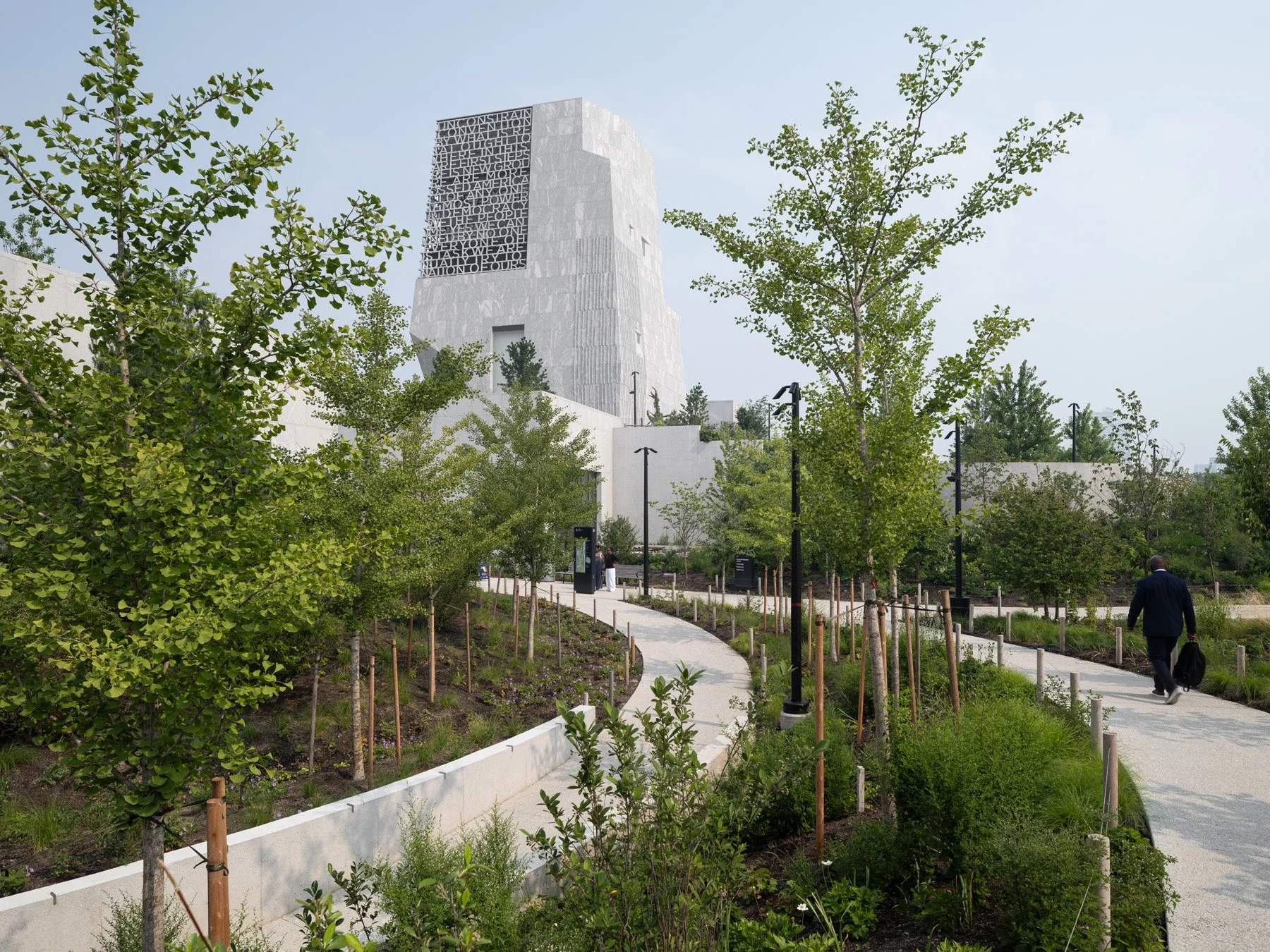
Architectural photography is the practice of rendering a building as an image that carries a sense of how it feels to be there. A given architectural work will be experienced by more people through images than in person. It can be depicted in any number of ways, and the photographer decides which variation the world sees. They occupy an intermediary role between the designer and the public. The practice encompasses the whole built environment: from world-famous buildings by starchitects to the infrastructural and vernacular structures that make our world habitable.
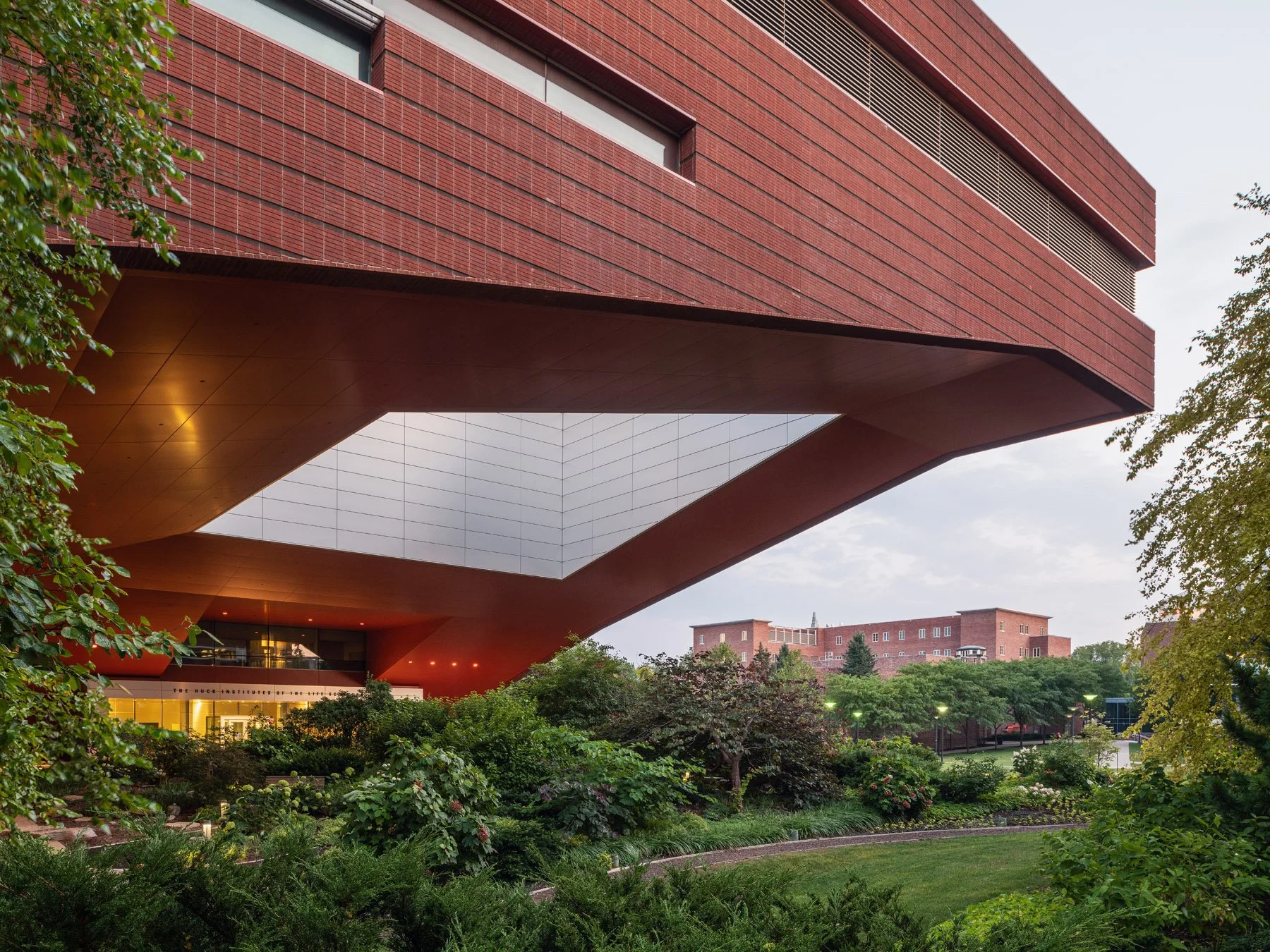
Millennium Science Complex - Rafael Viñoly Architects - State College PA
What does an architectural photographer do?
Architectural photographers are interpreters. Through a process of seeing and describing, they clarify the essential qualities of a site into visual form. This is more than pointing a camera and executing an order. It involves a series of decisions that shape the feeling the images convey.
They select vantage points and decide the precise location of the camera in space. Minor differences in camera positioning have an enormous impact on how the building reads. From a selected vantage point, they choose the field of view and the appropriate focal length. Wide lenses stretch space, opening up toward the viewer. Long lenses compress it, stacking layers of information into something dense and tight. The same building, shot two ways, can feel like different places.
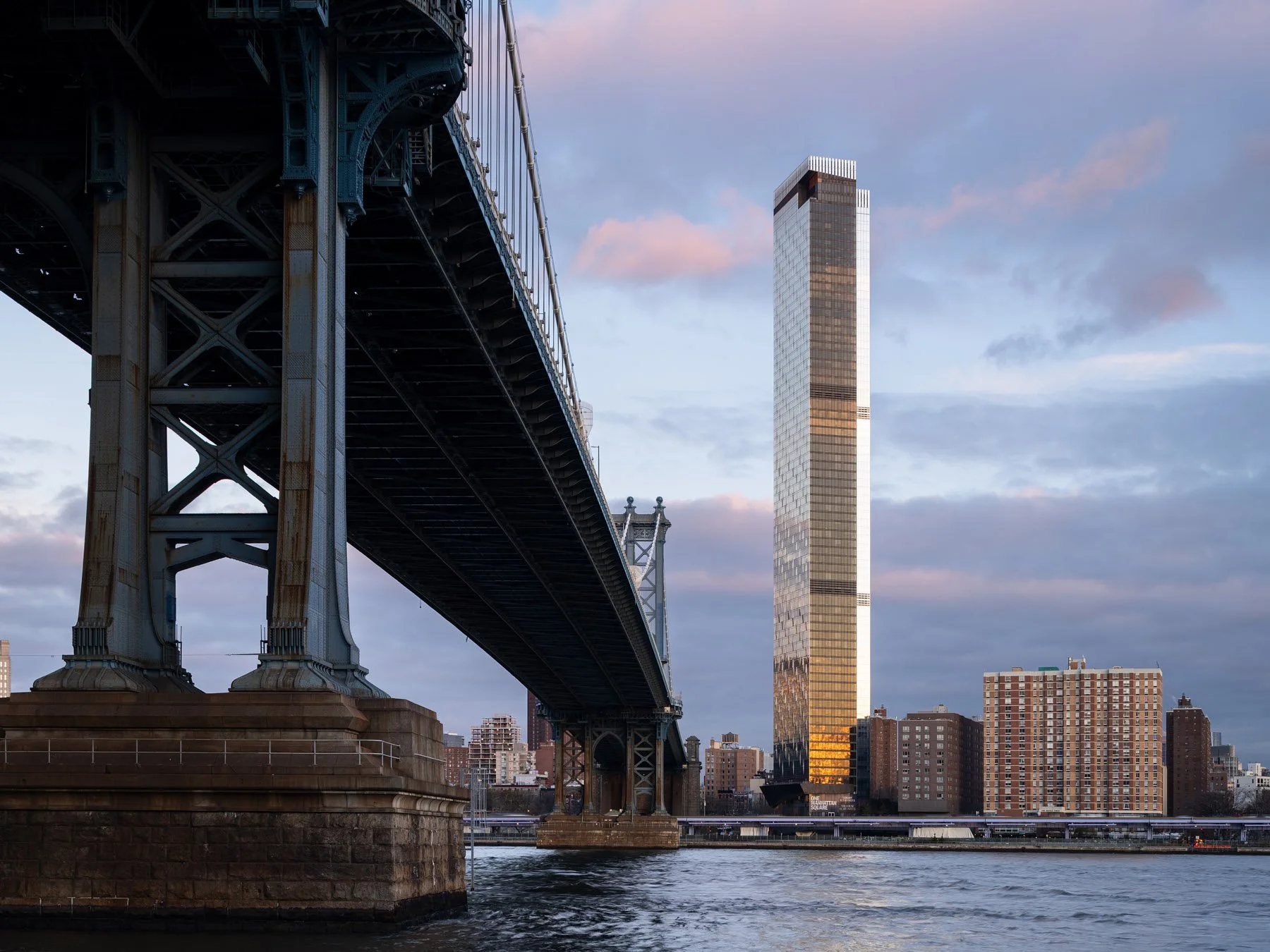
One Manhattan Square - Adamson Associates - New York NY
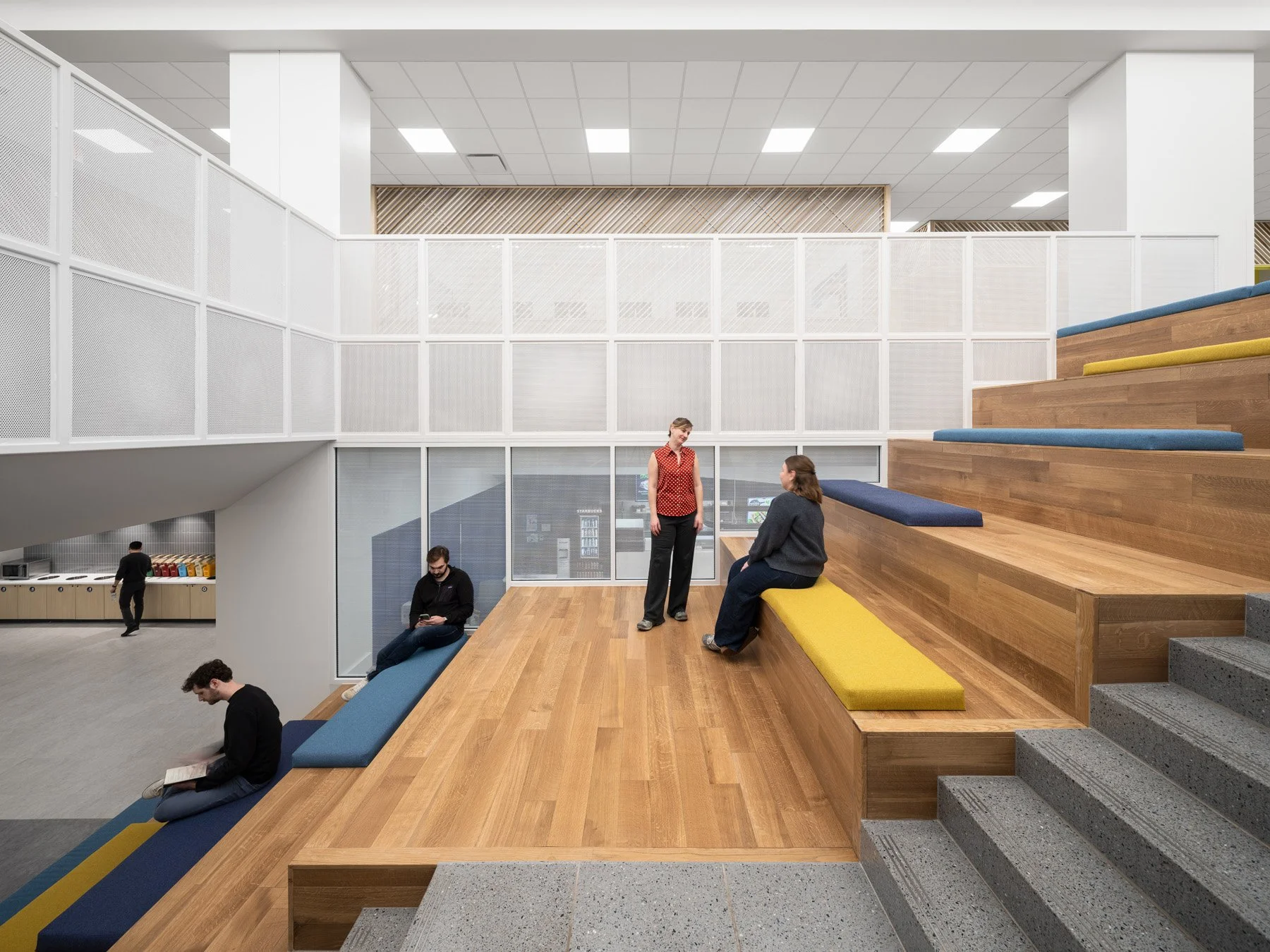
Outdoors, light and weather are among the most important decisions a photographer makes. The quality of light governs the emotional tone of the image. Sunlight ranges from direct and hard to indirect and soft, and its angle shifts with the seasons. The same facade reads one way at nine in the morning and another in late afternoon. Indoors, the photographer decides whether to work with the ambient light or add their own to alter the atmosphere of the space. One space can be shot three or four equally valid ways.
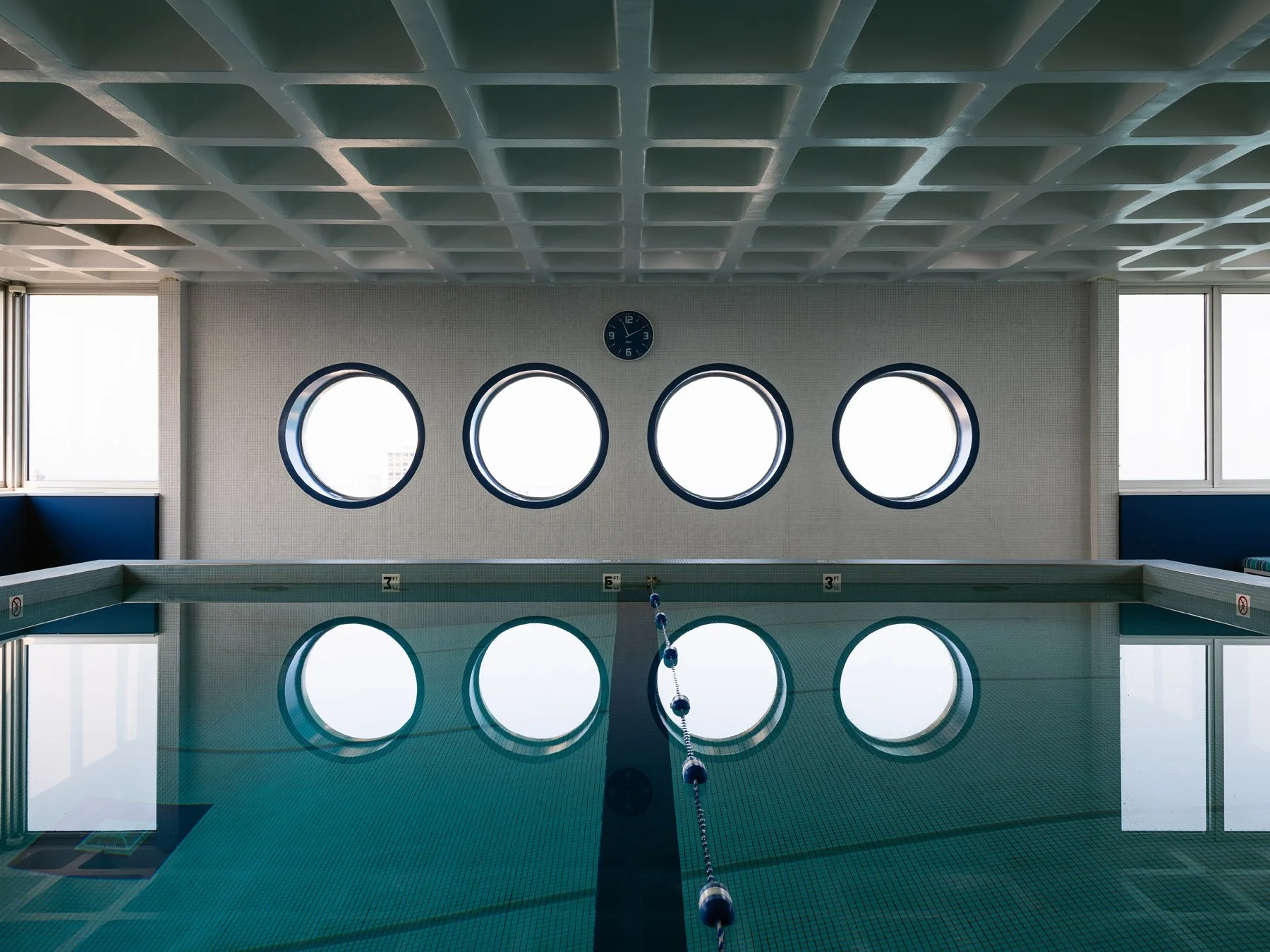
1300 North Lake Shore Drive - Gordon & Levin - Chicago IL
Motion is another important decision. People and vehicles can be frozen in time or blurred into streaks of movement. People in the frame add a sense of life and activity, and show the space used the way it was meant to be. The photographer chooses whether people appear, where they stand, and what they're doing, so a figure reads as evidence of how the space actually works.
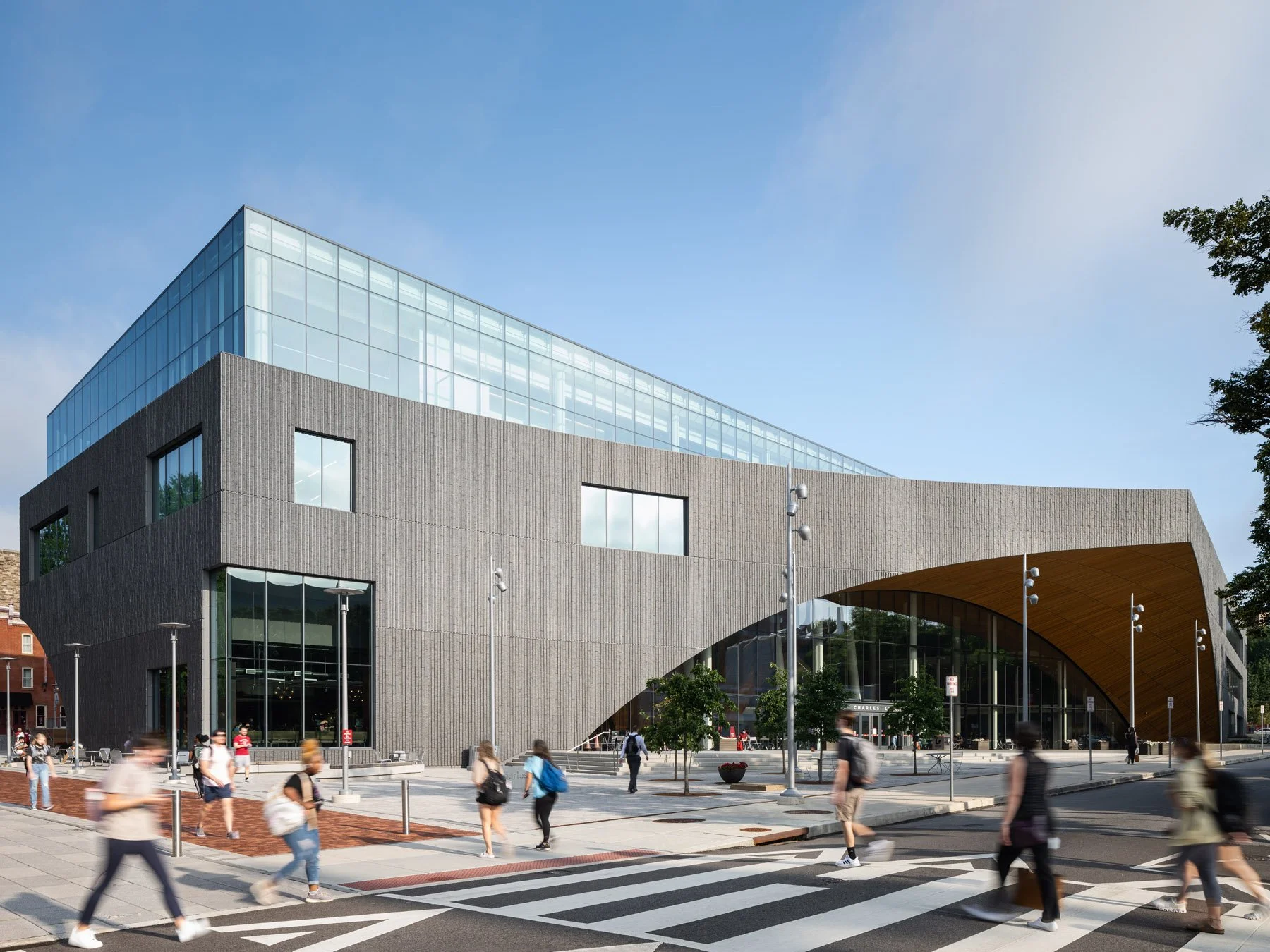
Charles Library - Snøhetta - Philadelphia PA
How is architectural photography different from real estate photography?
Real estate photography and architectural photography both take the built environment as their subject. What separates them is purpose and lifespan.
Real estate photography sells a property. It's essentially evidentiary. The job is to show what's there: every room, wide and evenly lit, corner to corner, nothing hidden. The images are equal parts fact and appeal, produced quickly and usually uncredited. They favor completeness over interpretation. A buyer needs to see the whole kitchen, not one telling detail of it. Once the sale closes the images have done their work, and most of their value closes with it.
Architectural photography sits at the other end. Real estate photographs make the room look bigger, architectural photographs make the room look better. These images are made to last, not to be disposable. The photographer works as a surrogate viewer, standing in for everyone who will never visit in person — and most people never will. A building is seen far more often as an image than in person, which puts the photographer's choices about light, vantage, and the life in the frame in charge of how the place is understood. Those decisions carry a sense of how it feels to stand there, so that someone half a world away comes to know the building through the photograph.
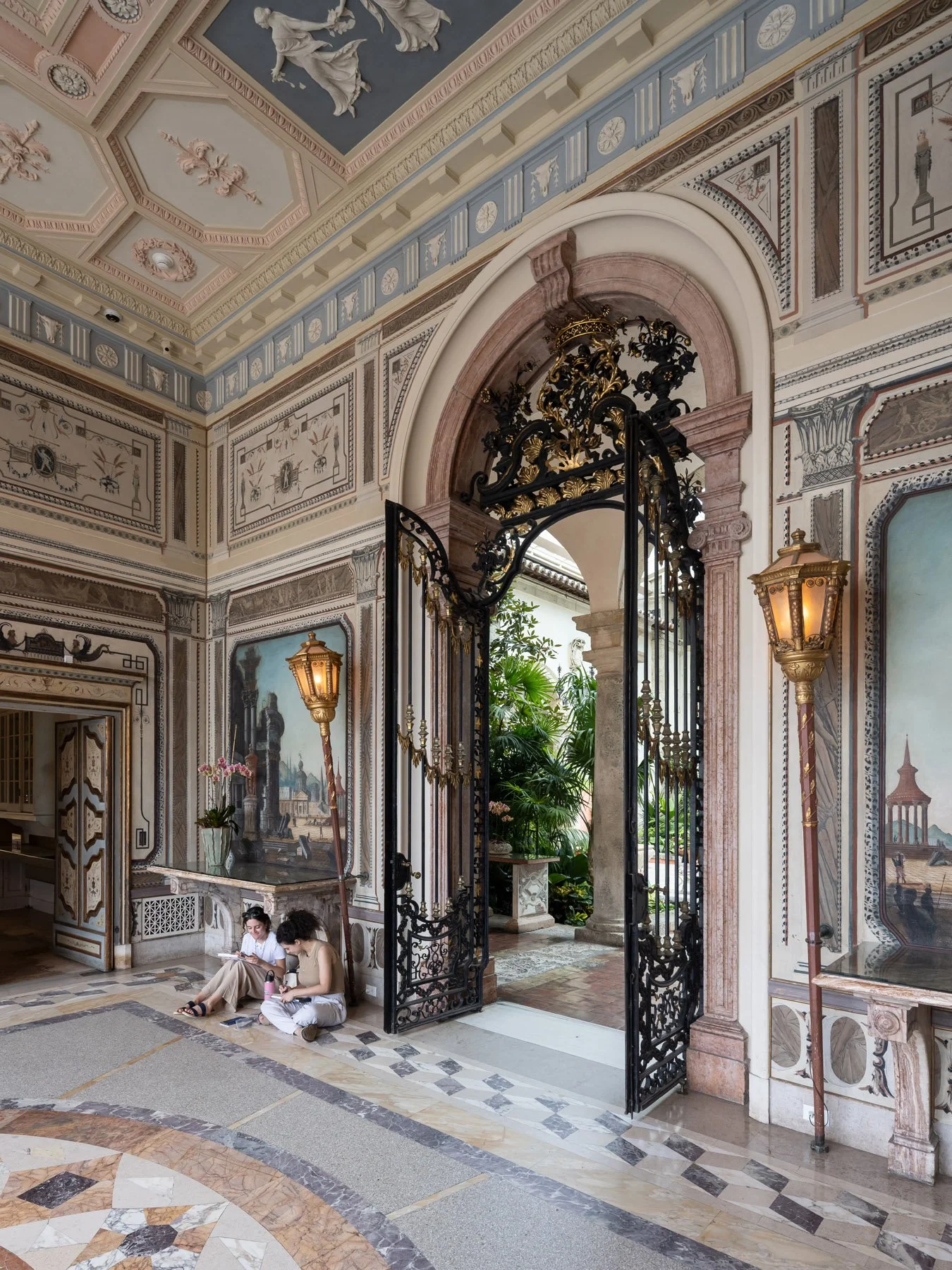
Villa Vizcaya - F. Burrall Hoffman - Miami FL
What is architectural photography used for?
Most architectural photography is commissioned by the firms who designed the subject matter. These are architects, landscape architects, interior designers, product manufacturers, contractors, and so on. They use the images to win the next project. In pitches to prospective clients, in the design press, across social media, and in the award submissions that build a firm's reputation. For firms competing on the strength of their work, the photography is how that work gets seen.
The images outlast their commercial use. A strong photograph represents a project for years. Long after the building is altered or gone, the images stand in for it in the historical record. Architectural photographs hold the spirit of a place, where a spec sheet or plan holds only its dimensions — and that's what lets them last.
Architectural photography, then, is nominally the art of aiming a camera at buildings and pressing a button. And all the work that comes before and after the shutter. It joins technical facility to interpretation to describe the structures and landscapes we live among. The built environment is one of humanity's great collective achievements, and the photograph is one of the ways we share it, record it, and take the measure of what we've built.
Recent Projects