
Edward Dart Needs a Monograph
At the corner of 19th and Ellsworth in central Gary, Indiana, is a roof unlike many others. It shoots upward from a rectangular brick base, an arrow of laminated beams and red cedar. It has been likened to praying hands, but I think it looks like the negative space between two kissing circles. When it was built in 1958, the congregation asked for something evoking the tabernacle, the tent of meeting described to Moses at Sinai.
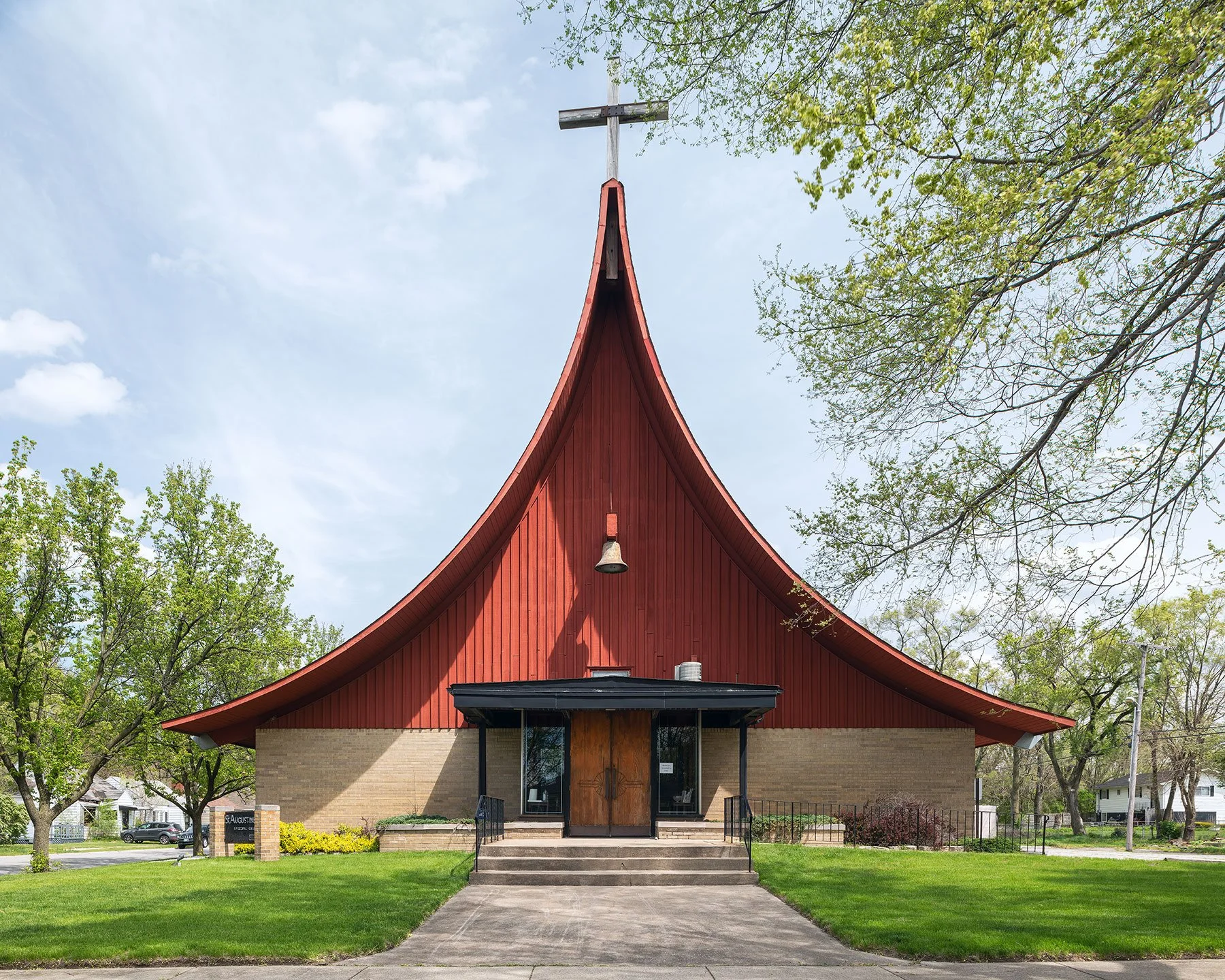
St. Augustine's Episcopal Church, Gary IN
Edward Dart was only thirty-four years old when he designed St. Augustine's Episcopal Church. He was eight years into a prolific career that began immediately upon finishing his studies at Yale. He got his start by designing houses for his family, himself, and his congregation. As his reputation grew and his client list expanded, he built dozens of other churches across Chicagoland, scores of custom houses, a Benedictine abbey, a concert hall, faculty housing, a distribution center, and Water Tower Place on Michigan Avenue. He died in 1975 at fifty-three, of an aneurysm, while Water Tower Place was still under construction.
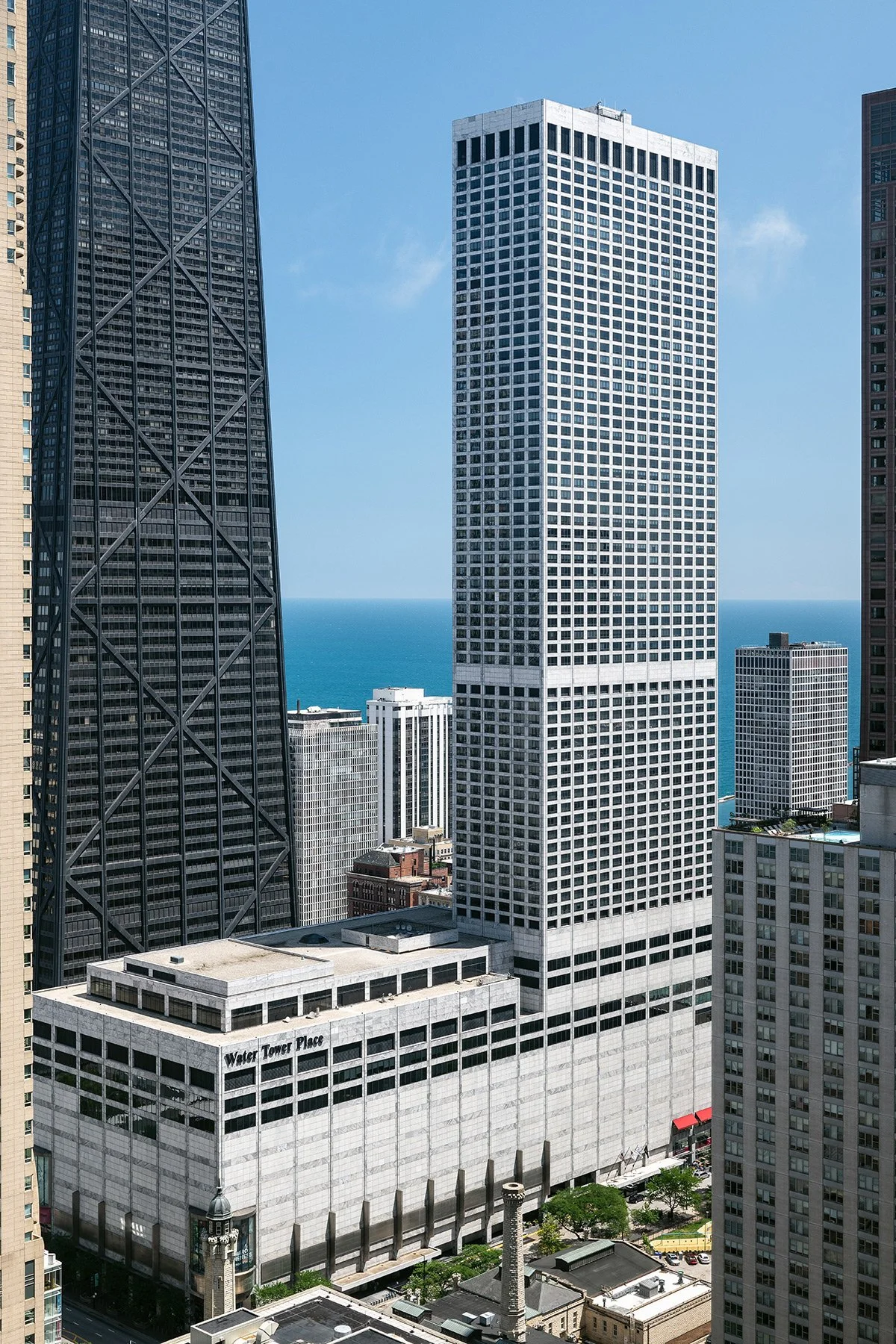
Water Tower Place, Chicago IL
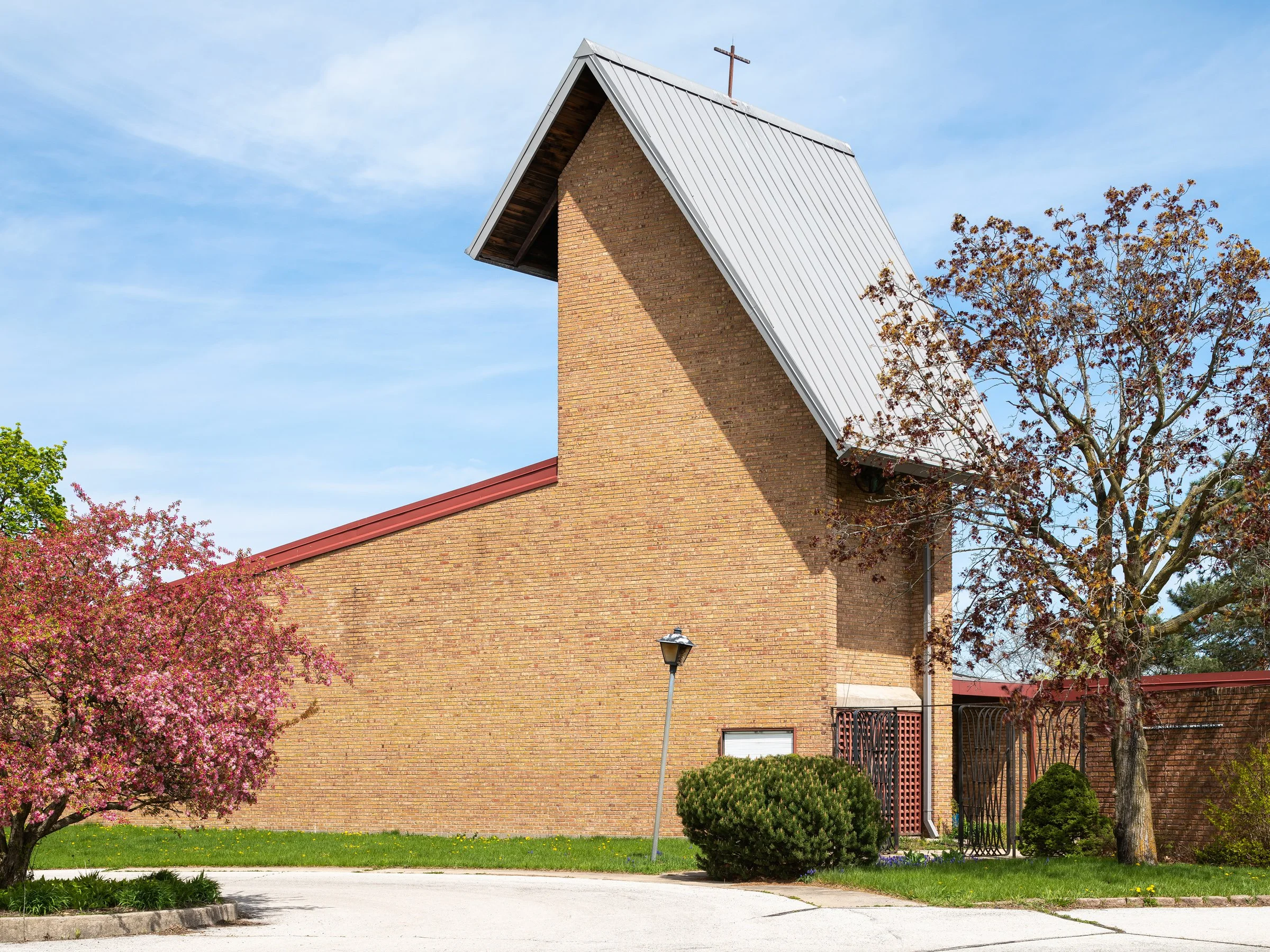
Lansing Presbyterian Church, Lansing IL
"The idea of Lansing," Dart said of another of his churches, "begins at the chancel. The communion table is the whole rationale and heart of the church." All of the moves, the bounced ambient light, the compressed entry sequence, the soaring sanctuary, support that aim. The design of these churches subtly directs attention around the altar in unorthodox ways.
I saw this in person at St. Procopius Abbey. The Benedictines commissioned it in 1959, but Vatican II intervened — the church was reconsidering what a worship space should be, and construction waited while that was sorted out. By the time Dart broke ground the monks knew exactly what they wanted. You are compressed at first in a corridor at human scale, then you are released into a soaring sanctuary. This is done without the material palette of opulence. The walls are Chicago common brick. There's a massive pipe organ on high across from the altar, and indirect light bathes the chancel through massive recessed clerestory windows. It was the most peaceful religious building I have ever been in. It showed me where most religious architecture falls short.
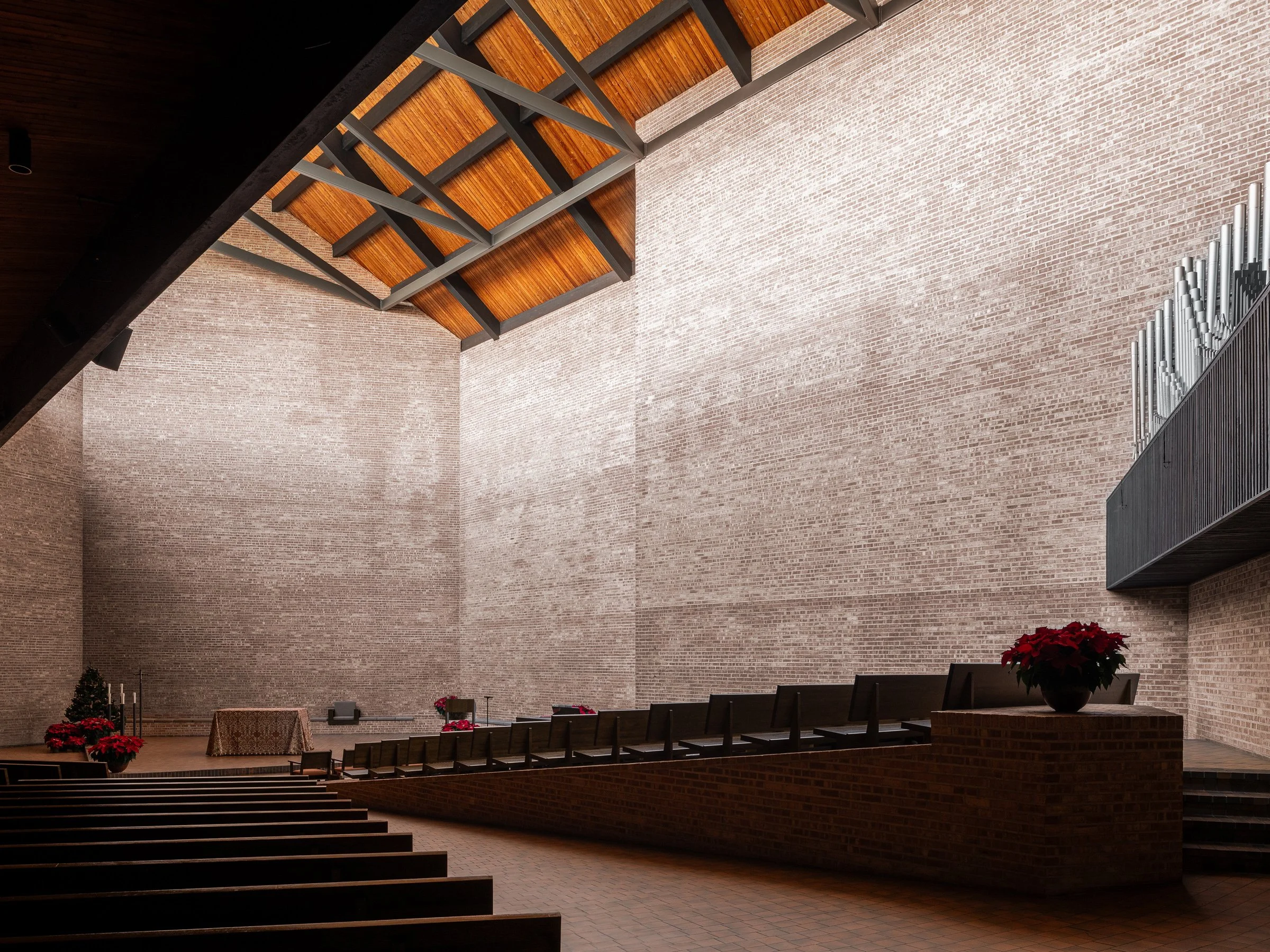
St. Procopius Abbey, Lisle IL
The other Dart church I've been inside, First St. Paul's Evangelical Lutheran, runs the same sequence. Compression, release, clerestory light, textile brick, tile floor. But it shows off a little bit more, like Dart imbued it with an awareness of its own beauty. St. Procopius doesn't seem to know that it's beautiful in its plainness. That's the difference between them.
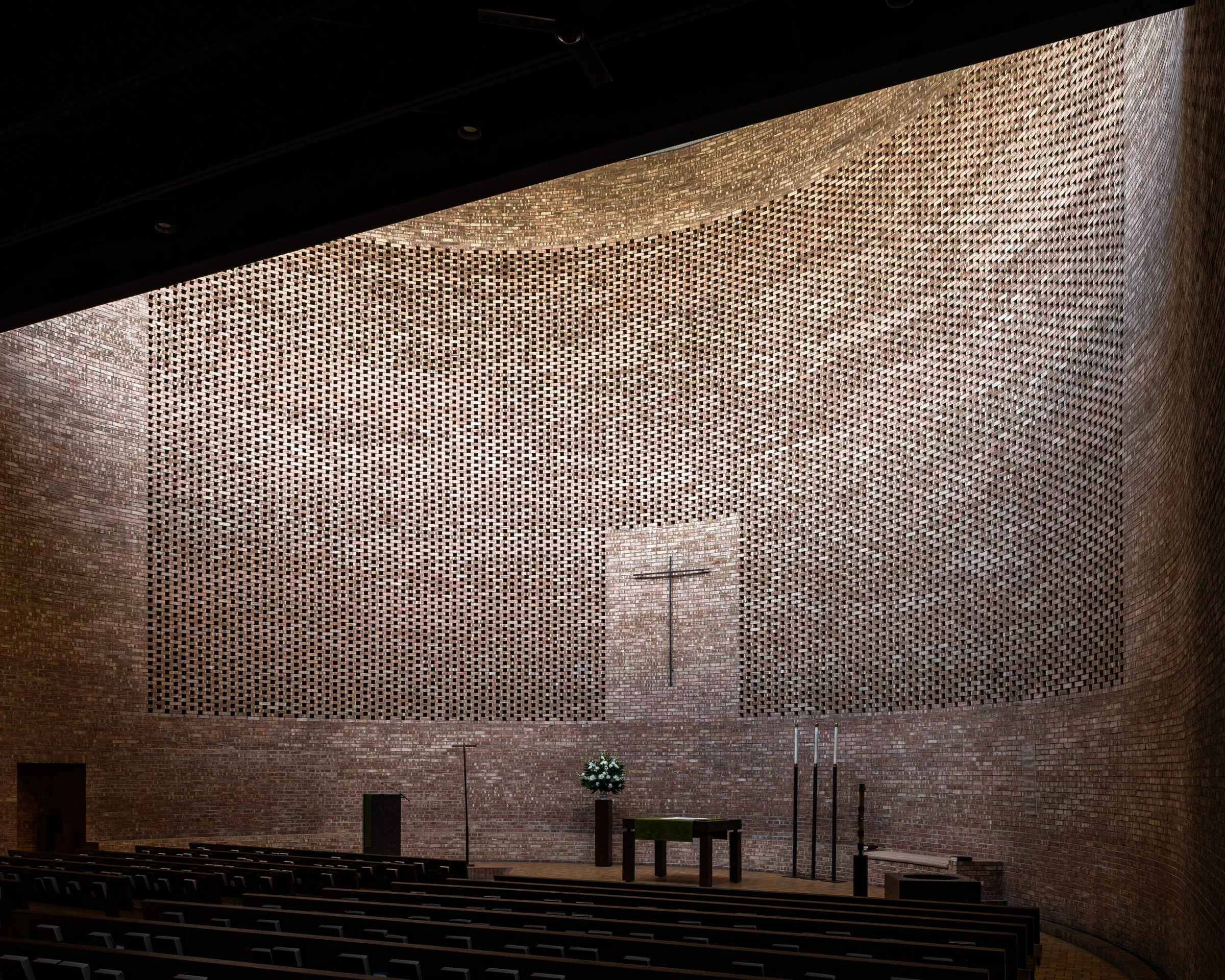
First St. Paul’s Evangelical Lutheran Church, Chicago IL
I've also been inside the Heller House in Highland Park. It's been lightly renovated over the years, but looks mostly the same as it did when it was featured in a 1963 edition of Architectural Record. You drive up, step through a glass vestibule, enter a low-ceilinged hall, and then the living area opens up like the churches. Indirect light at the ceiling edges, a wooden ceiling, a golf course beyond the glass. The materials are brick, wood, and tile, permanent things. That house has an ineffable quality of being out of time, as if it had always existed. Or as if it had to. I've been inside a lot of buildings. That feeling is rare, and I'm not entirely sure what to make of it.
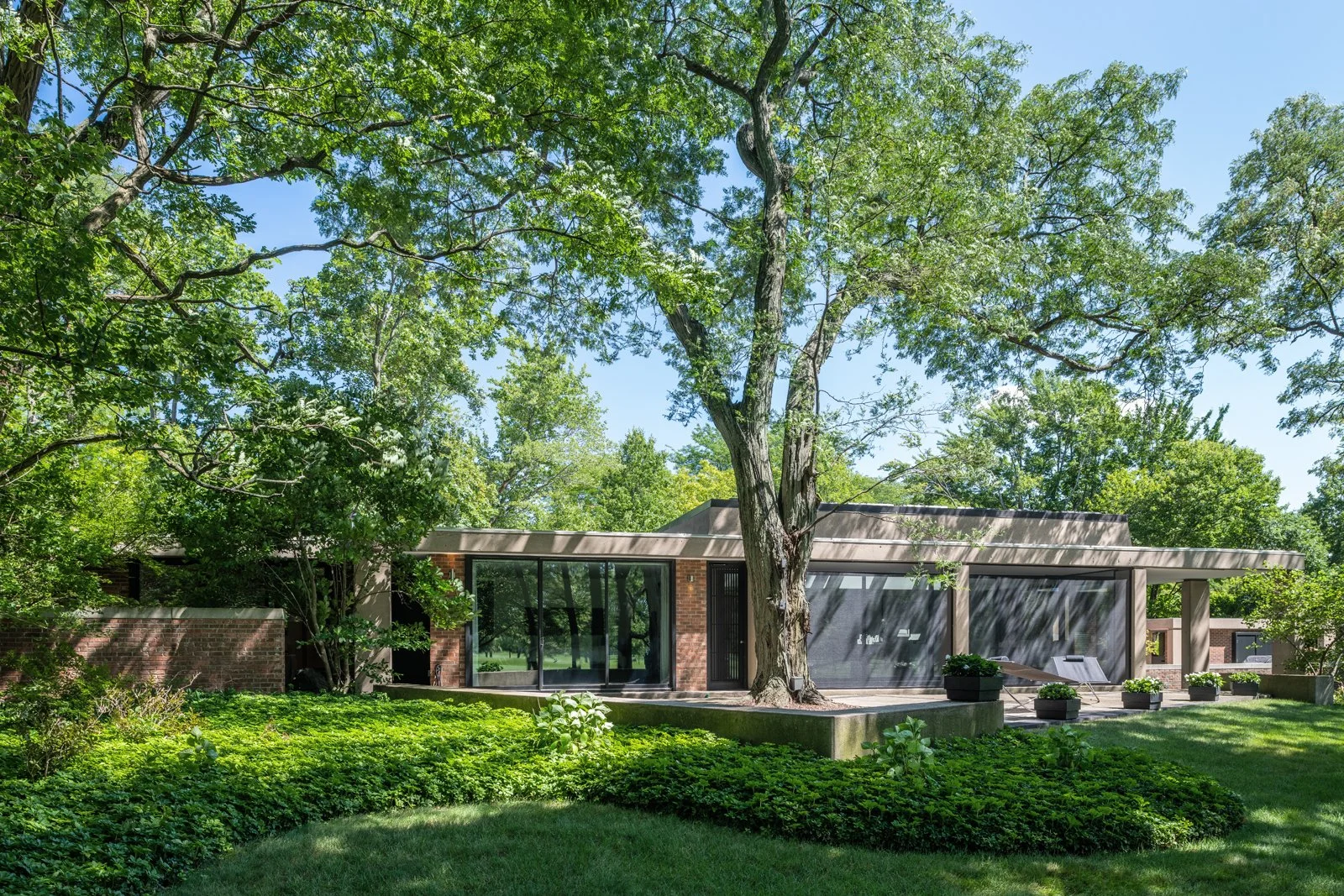
Heller House, Highland Park IL
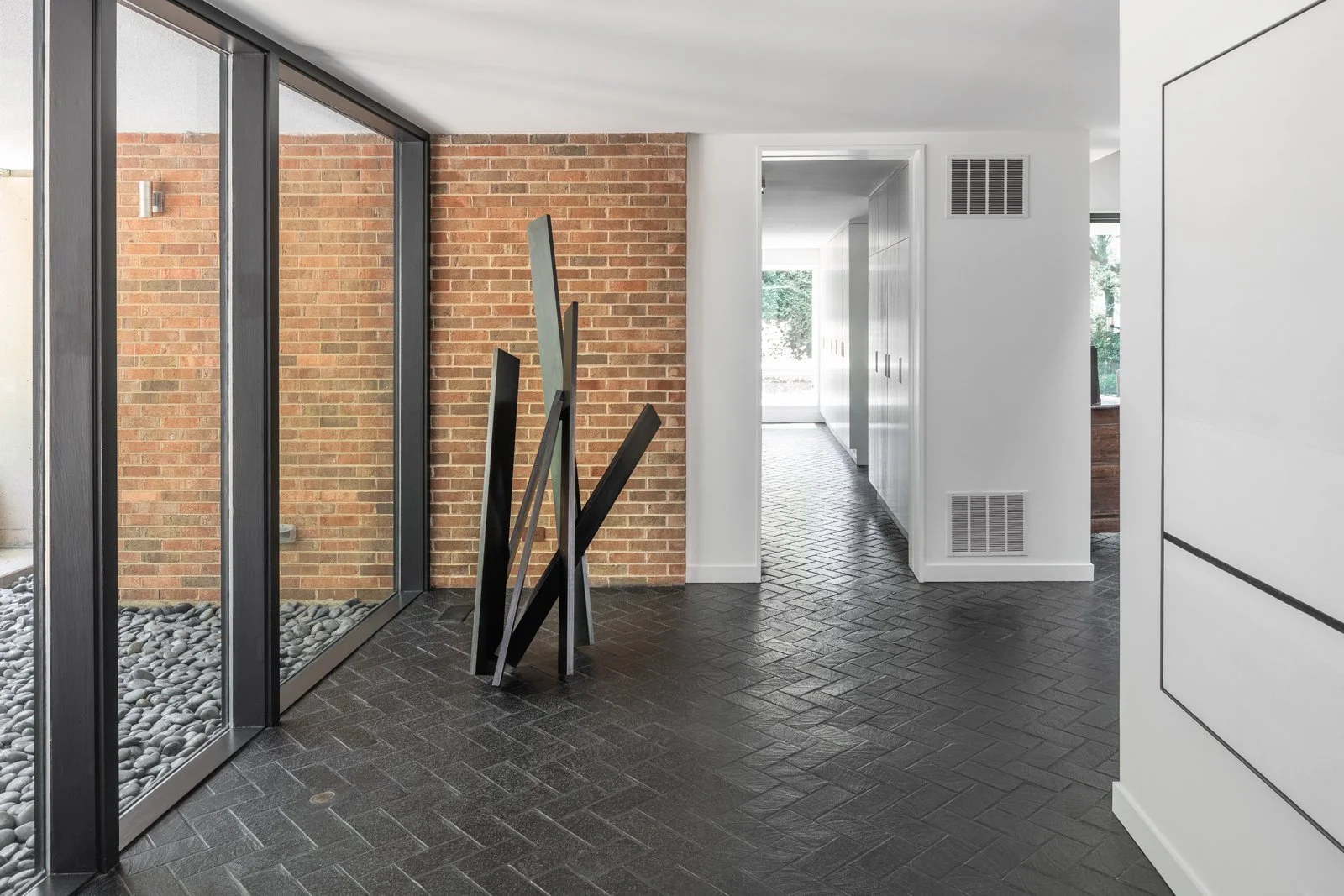
Heller House, Highland Park IL
Edward Dart studied at Yale under Marcel Breuer, Louis Kahn, and Richard Neutra, among others. He moved to Chicago to work briefly for Paul Schweikher, then opened his own practice in 1950. For fifteen years he worked independently, and most of his commissions were houses and churches at a human scale. In 1965 he was convinced by his former teacher Richard M. Bennett to join the firm Loebl Schlossman Bennett as a partner. The commissions got larger. Dart's university and healthcare work, like Pick-Staiger Hall and Michael Reese Hospital come from this period.
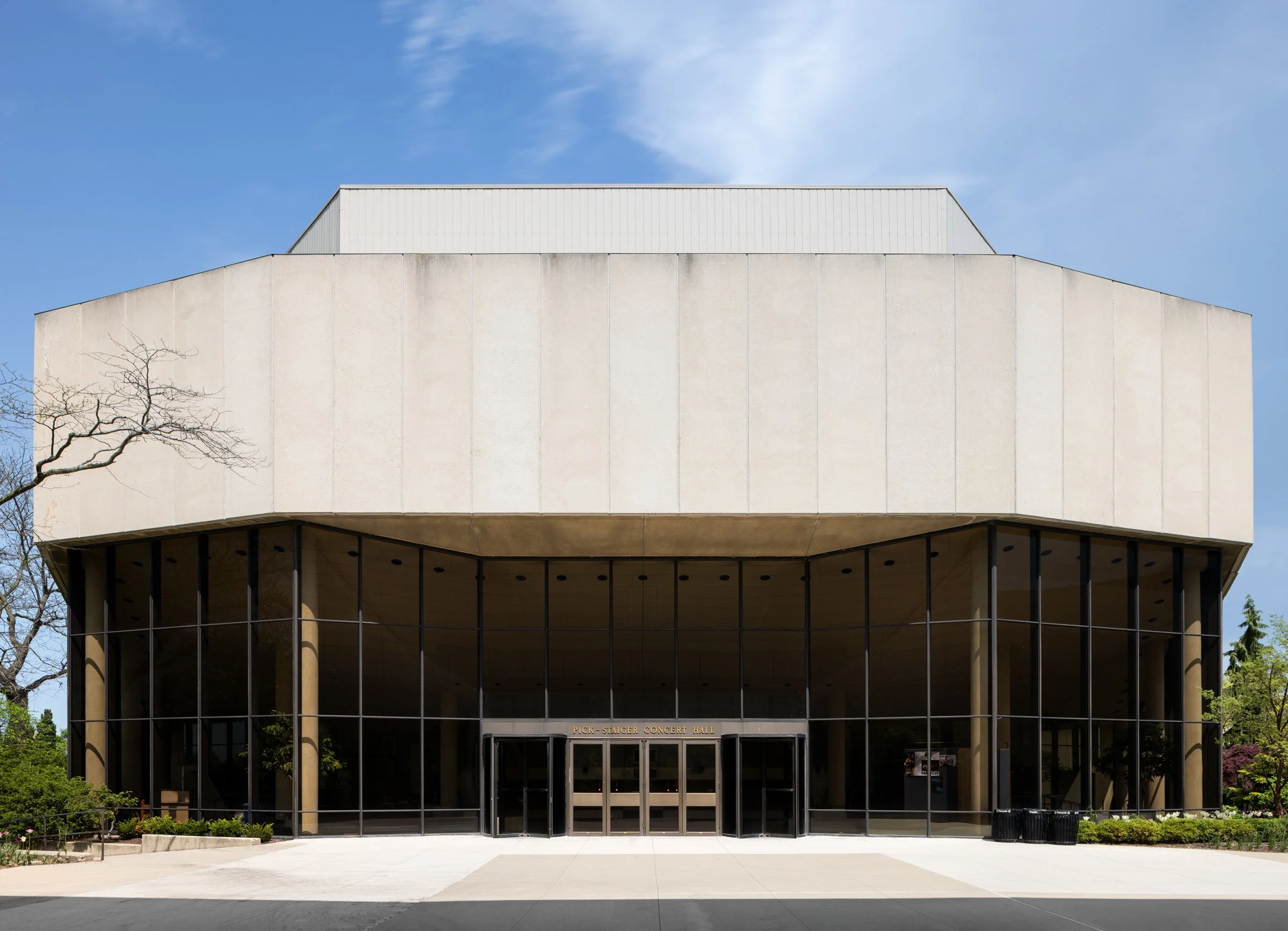
Pick-Staiger Concert Hall, Evanston IL
In the fall of 1967, Ezra Stoller photographed the third house Dart built for himself in Barrington. It was an adaptive reuse of an old barn that has since been renovated beyond recognition. Stoller photographed a few other projects that I'm aware of, as did Hedrich-Blessing, so I know there's a good base of coverage in the archives. Dart's papers are housed in the Art Institute of Chicago, and his sister Susan wrote a detailed biography that was published in 1993.
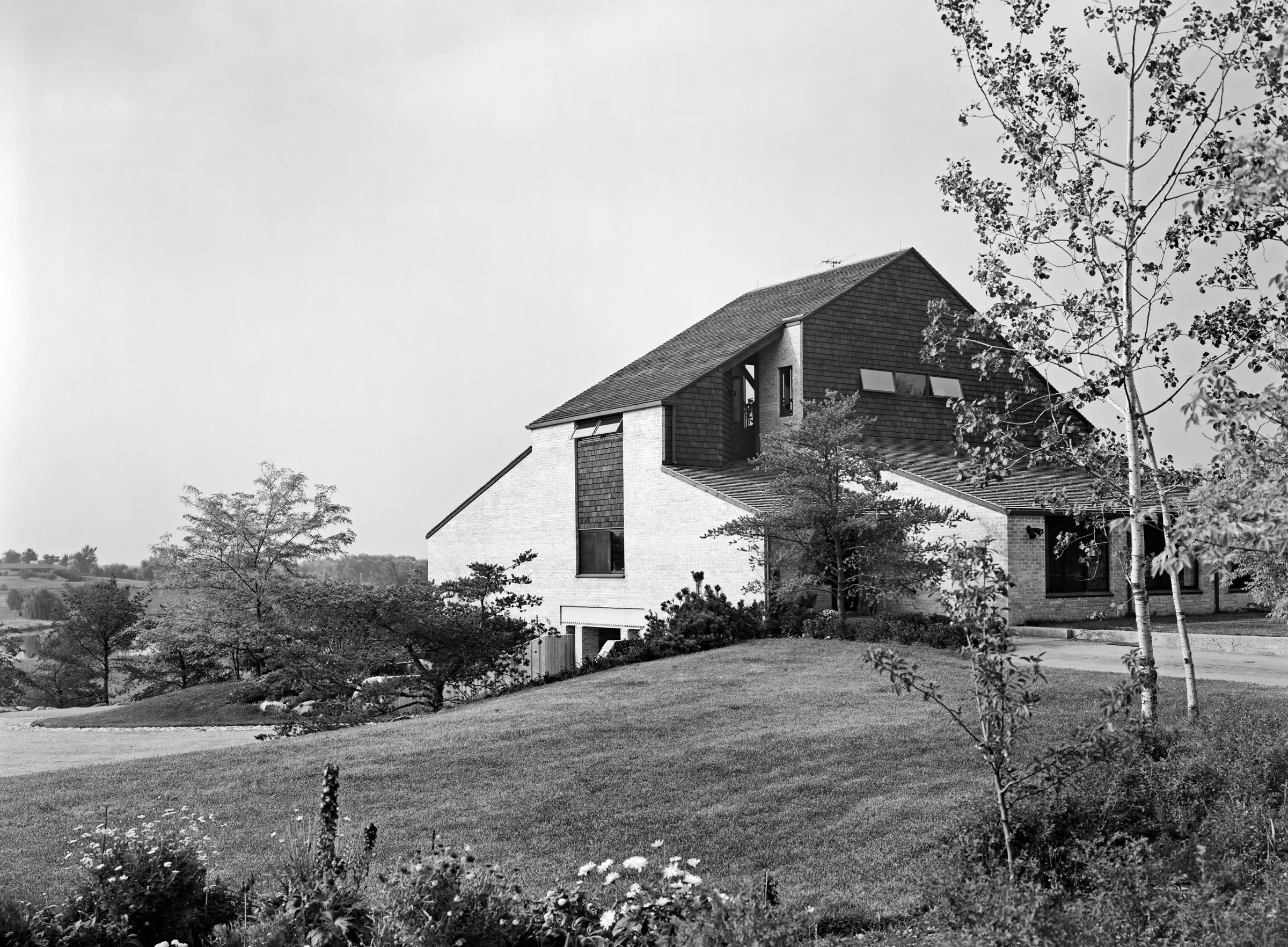
Dart House III, Barrington IL. Photo: Ezra Stoller/Esto
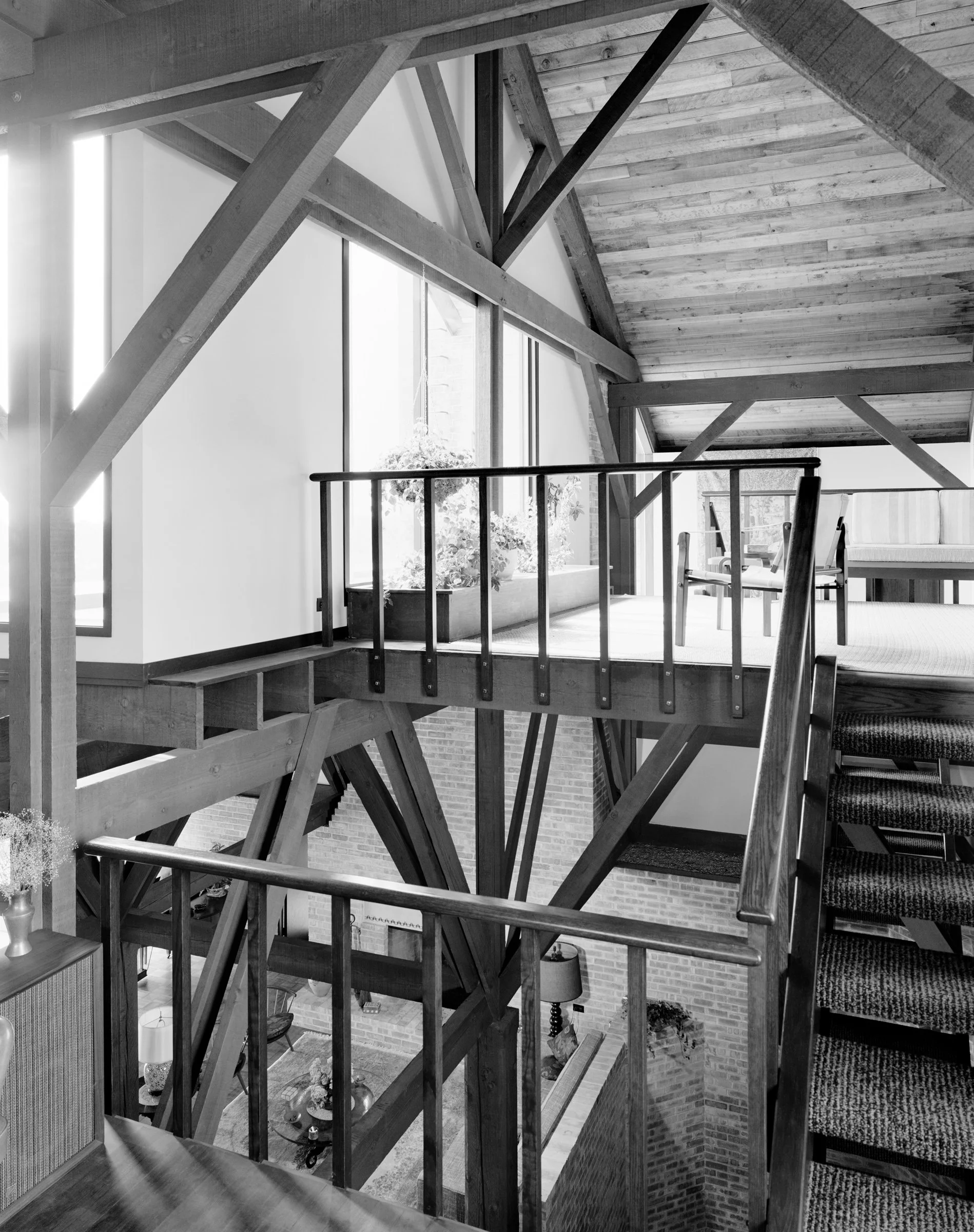
Dart House III, Barrington IL. Photo: Ezra Stoller/Esto
When people learn what I do, they often ask, "Who is your favorite architect?"
I answer, "Edward Dart."
They say, "Who?"
I want to continue to photograph his extant buildings and hopefully bring the work to a wider audience. The churches are a challenge. Many have closed or changed hands. And not everyone is as gracious as a Benedictine monk when I show up unannounced with a camera. If you have a connection to any of these congregations, or know who holds the keys, I'd like to hear from you.
Dozens and dozens of Dart's houses still exist, scattered across the North Shore and the western suburbs. Dart was especially prolific in Barrington, Highland Park, and Wheaton. Maybe some of these are unrecognized by the people living in them. If you own one, or think that you do, I'd also like to hear from you, because Edward Dart needs a monograph once and for all.
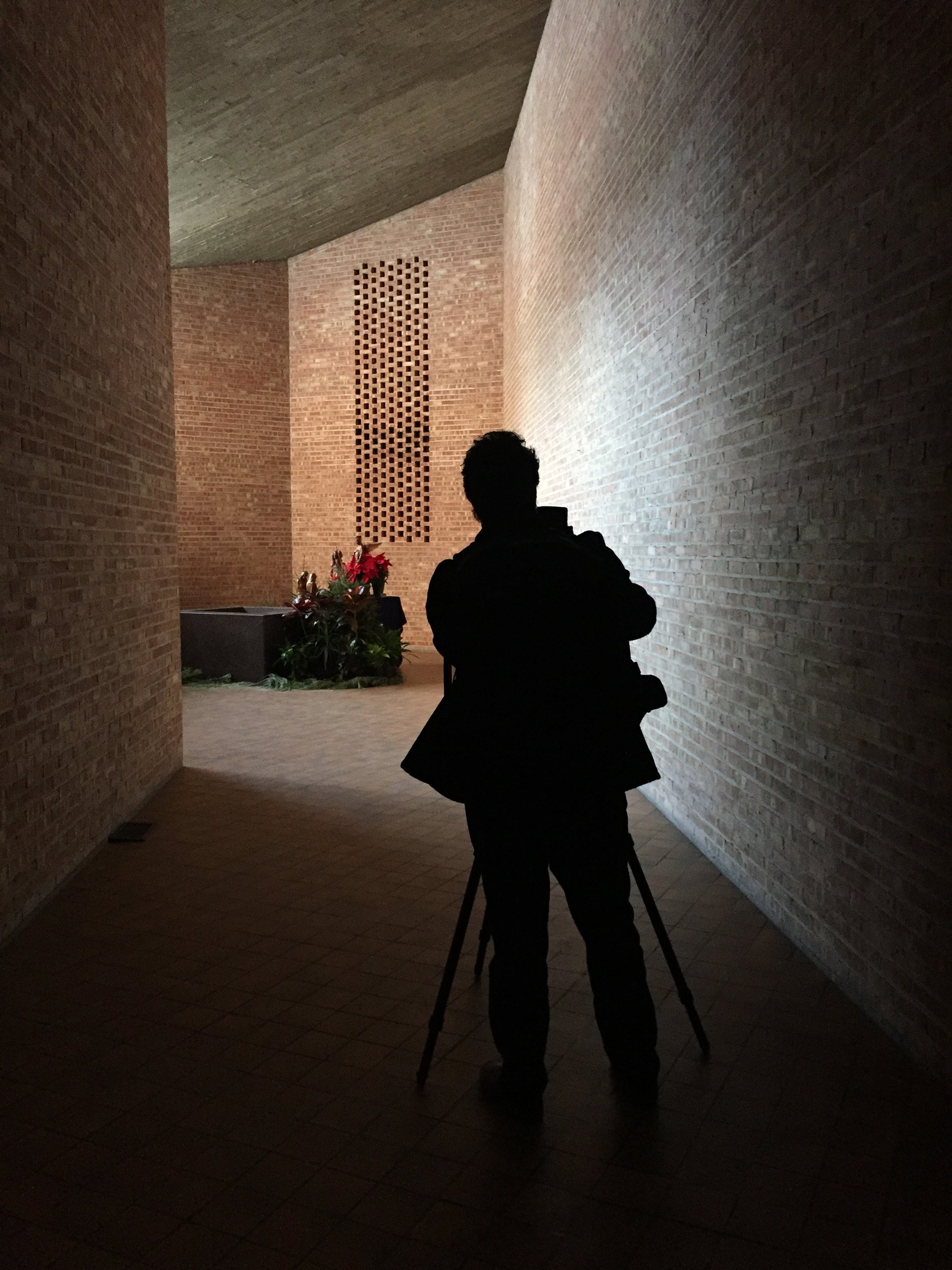
Serhii Chrucky photographing St. Procopius Abbey, Lisle IL. Photo: Patrick Steffes